Showing posts with label The Douglas C-24 Globemaster II. Mystery. Show all posts

Wednesday, April 15, 2026

Disappearance of Flight Carrying Barksdale General Still A Mystery

Throughout history there have been many intriguing and mysterious disappearances that remain unsolved such as Amelia Earhart, the crew of the Mary Celeste, the Lost Colony of Roanoke, and big band leader Glenn Miller. One such disappearance has ties to Barksdale Air Force Base, and, although not as well-known as these more famous cases, it nonetheless is still mystifying 75 years after it happened.


In early 1951, the U.S. Air Force’s Strategic Air Command (SAC) established the 7th Air Division and assigned it to England to help counter the growing threat from the Soviet Union. SAC bombers stationed there could serve as a deterrent to Soviet hostilities. Barksdale’s Vice Commander Brigadier General Paul Cullen was chosen to lead the division and oversee its operations.


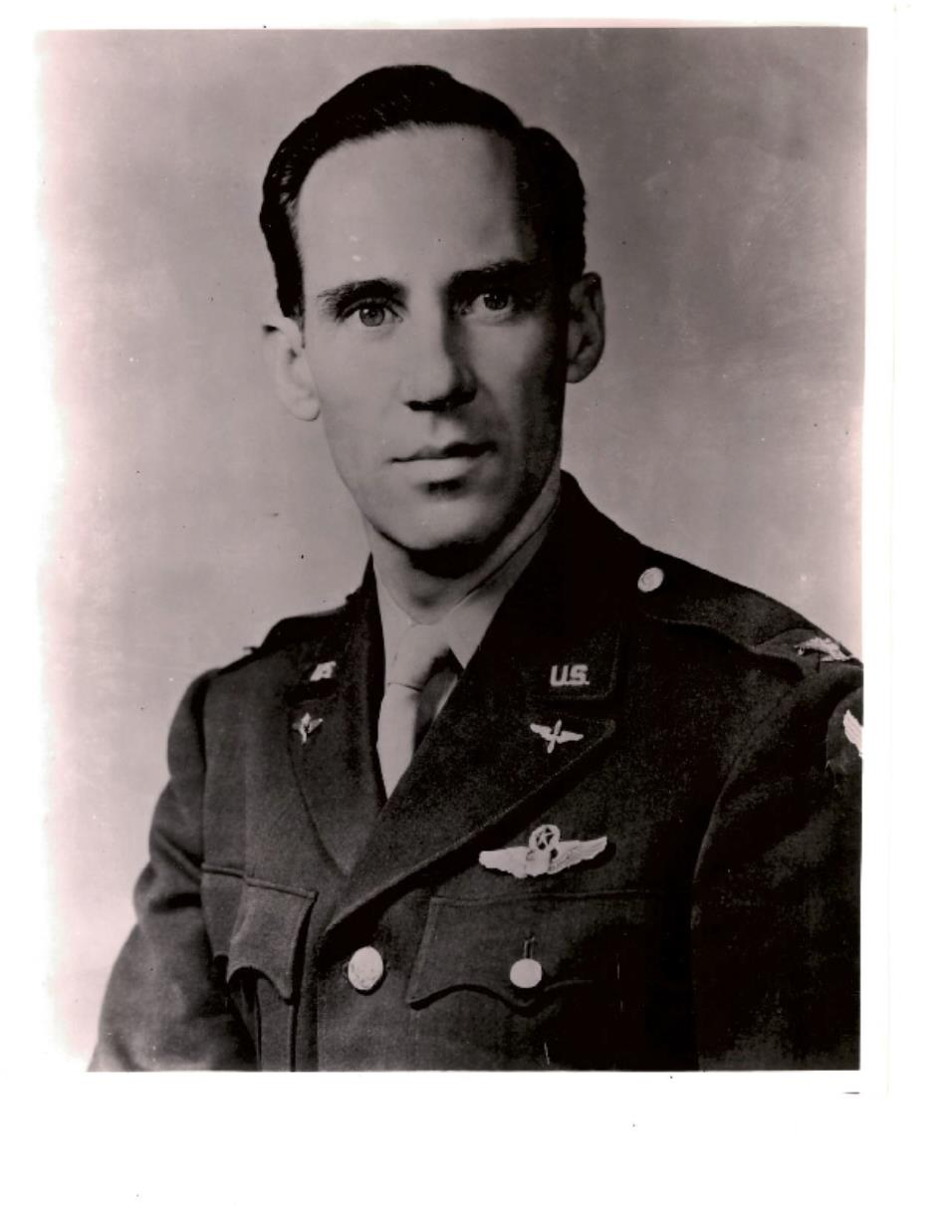
Born in 1901 in Peru, Cullen later moved to California and joined the military at a time when aviation was still developing. According to his official Air Force biography, he entered service as a flying cadet in June, 1928. Only a year earlier, Charles Lindbergh had become the first person to fly solo, nonstop across the Atlantic Ocean. Advancing through the ranks, Cullen commanded the Air Force Photo Unit during Operation Crossroads, the atom bomb tests conducted just after World War II, and served as commander of the 311th Reconnaissance Wing at SAC headquarters in Maryland in the late 1940s. Newspaper accounts state that he was considered the foremost expert at the time on strategic reconnaissance, which involved using high-altitude photography to collect intelligence on enemy targets. It was while serving as vice-commander that Cullen boarded the flight which would carry him and 52 others into the unknown.


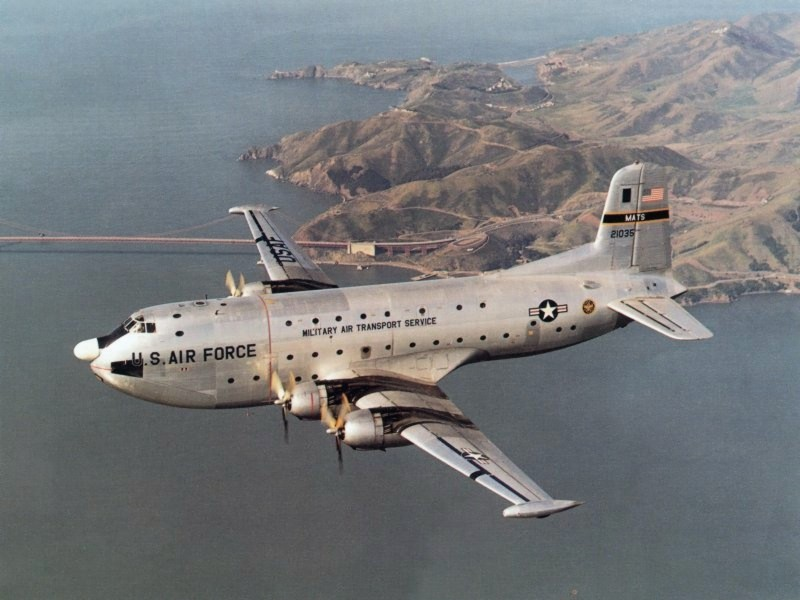
The Douglas C-124 Globemaster II, a heavy-lift cargo aircraft, departed Walker Air Force Base in Roswell, New Mexico on Wednesday, March 21, 1951 and landed at Barksdale late that afternoon where Brig. Gen. Cullen and his staff joined other passengers already aboard, which included four high-ranking SAC officers, as well as specialists in various air defense operations. Built to haul troops and equipment such as tanks, guns and trucks, Globemasters had a reputation for giving bumpy rides. According to a story in the aviation periodical Flying Magazine, the Globemaster was an aircraft which “tended to shake a lot, even in calm skies, earning it the nickname ‘Old Shaky.’”


It was in these somewhat uncomfortable conditions that the flight left Barksdale Wednesday evening and made a refueling stop at an Air Force base in Maine before heading out Thursday, March 22 over the vast North Atlantic Ocean. England was its destination, where General Cullen would take charge of the 7th. Checking in with weather ships along the route that were tasked with gathering meteorological data of the upper atmosphere and ocean’s surface, the flight’s radio operator reported the plane’s position Thursday evening as being approximately 800 miles southwest of the coast of Ireland.


By Friday morning, March 23, it became evident that the flight had encountered trouble. According to an article in The Shreveport Journal from that afternoon, no further communications had been received from the plane, so a search of the aircraft’s last known position was initiated by both U.S. and British forces. Nothing was found. There was a brief glimmer of hope Saturday morning, when a B-29 pilot sighted possible life rafts and other items approximately 450 miles west of the Irish coast, but a search of that area also found nothing. The leader of the search effort is quoted in The Shreveport Journal of


March 24 as saying attempts to find the plane would continue “as long as we have any hope of finding survivors.” Those attempts, which The Shreveport Times of Tuesday, March 27 says covered 25,000 square miles of ocean and constituted one of the largest rescue operations in history, spanned a week and were halted on March 30 before being restarted four days later. Ultimately, only small pieces of charred debris and a small briefcase were discovered. No trace of the crew or passengers was ever found.


The incident was consigned to the pages of history until it was revived in two articles in The Shreveport Times, the first in 2011 and a follow-up in 2015. Both articles were written by former Times staff member John Andrew Prime, and in them he mentions obtaining an accident report about the flight from the Air Force which offers interesting details such as a weather ship picking up a radio report of a fire on board the aircraft and the plane being intact when it struck the water. The report also states that the Globemaster carried equipment such as life rafts, life vests and emergency radios.


Despite the passage of time, answers to the mystery of what happened to Cullen and the others haven’t been forthcoming. Was the flight sabotaged? Could rough seas have swamped the plane after it came down, sending it to the bottom of the Atlantic? Did the Russians, as some have speculated, snatch the men? The website for the Bureau of Aircraft Accidents Archives states that “… it was revealed that Soviet submarines and surface vessels were active in the area.” The website also notes, “Due to their expertise in nuclear and other defense matters, Cullen and the other men on the airplane would have been an intelligence windfall to the Soviets.”


Perhaps one day, we’ll know their fate. Perhaps a long-secret document will come to light that will provide some sense of closure for the men’s families. For now, the incident remains, like so many stories of the past, unexplained.


If you have any information relating to the history of Bossier City and Bossier Parish, the History Center may be interested in adding the material to its research collection. Call or visit us to learn more. We are open Monday - Friday 9-6, and Saturday by appointment. Our phone number is (318) 746-7717 and our email is history-center@bossierlibrary.org. We can also be found online at https://www.facebook.com/BPLHistoryCenter/ and http://bpl-hc.blogspot.com/

Images:
  • Brigadier General Paul Cullen/courtesy United States Air Force 
  • C-124 Globemaster II/courtesy United States Air Force
Article by: Kevin Flowers

Wednesday, January 8, 2025

Mysterious Disappearance of Barksdale General and Airmen Still Unsolved

Throughout history there have been many intriguing and mysterious disappearances that remain unsolved such as the Lost Colony of Roanoke, the crew of the Mary Celeste, Amelia Earhart, and the men of Flight 19. One such disappearance has ties to Barksdale Air Force Base, and, although not as well-known as these more famous cases, it nonetheless is still mystifying 74 years after it happened.


In early 1951, the U.S. Air Force’s Strategic Air Command (SAC) established the 7th Air Division and assigned it to England to help counter the growing threat from the Soviet Union. SAC bombers stationed there could serve as a deterrent to Soviet hostilities. Brigadier General Paul Cullen was chosen to command the division and oversee its operations.

Born in 1901, Cullen joined the military at a time when aviation was still developing. According to his official Air Force biography, he entered service as a flying cadet in June, 1928. Only a year earlier, Charles Lindbergh had become the first person to fly solo, nonstop across the Atlantic Ocean. Cullen would become proficient in photo reconnaissance, and his biography states that, among his career achievements, he commanded the Air Force Photo Unit during Operation Crossroads, the atom bomb tests conducted just after World War II.


Cullen’s association with Barksdale came as commander and later vice commander of the 2nd Air Force, which was headquartered at the base beginning in 1949. And it was at Barksdale that Cullen boarded the flight which would carry him and 52 others into the unknown.


The Douglas C-124 Globemaster II departed Walker Air Force Base in Roswell, New Mexico on March 21, 1951 and flew to Barksdale where Brig. Gen. Cullen and his staff joined the other passengers, which included experts in various air defense operations. England was their destination where Cullen would take charge of the 7th. According to Flying Magazine, the Globemaster was an aircraft which “tended to shake a lot, even in calm skies, earning it the nickname ‘Old Shaky.’” It was in these somewhat uncomfortable conditions that the flight made a brief refueling stop in Maine before heading out over the open North Atlantic on Friday, March 23rd. Checking in with weather ships along the route, the flight’s radio operator reported the plane’s position Friday evening as being approximately 800 miles from the coast of Ireland. All seemed to be going well, but that suddenly changed.


An article titled “Last Flight, the Missing Airmen, March 1951” on the Walker Aviation Museum website states that the C-124 gave out a mayday call, reporting a fire in the cargo crates and saying that the plane would have to set down in the ocean. “The aircraft was intact when it touched down,” according to the website. “All hands exited the aircraft wearing life preservers and climbed into inflated 5-man life rafts. The rafts were equipped with cold weather gear, food, water, flares, and … hand-crank emergency radios.” Having survived the forced water landing, the crew and passengers awaited rescue. It came too late.


An Air Force B-29 was sent from England and located the men and circled their position, but had to return to base after running low on fuel. According to the Walker Aviation Museum website, “Not one ship or a single aircraft returned to the position … until Sunday, the 25th of March, 1951.” When help did come, rescuers found nothing other than “some charred crates and a partially deflated life raft,” the website states. The 53 men were gone, vanished without a trace. A search lasting several days proved futile.


Despite the passage of time, answers to the mystery of what happened to Cullen and the others haven’t been forthcoming. Could a sudden storm have created rough seas that swamped the life rafts? Did the Russians, as some have speculated, snatch the men? The website for the Bureau of Aircraft Accidents Archives states that “… it was revealed that Soviet submarines and surface vessels were active in the area.” The website also notes, “Due to their expertise in nuclear and other defense matters, Cullen and the other men on the airplane would have been an intelligence windfall to the Soviets.”


Questions have been asked about the delay in help arriving. Could the men have been saved if rescue had come sooner? Perhaps one day, we’ll know. Perhaps a long-secret document will come to light that will provide some sense of closure for the men’s families. For now, the “Last Flight” article may sum up the situation best. “We do not know what fate befell these men,” it states.


If you have any photos or other information relating to Bossier Parish history, the History Center may be interested in adding the materials to its research collection by donation or by scanning them and returning the originals. Call or visit us to learn more. We are open M-Th 9-8, Fri 9-6, and Sat 9-5. Our phone number is (318) 746-7717 and our email is history-center@bossierlibrary.org. We can also be found online at https://www.facebook.com/BPLHistoryCenter/ and http://bpl-hc.blogspot.com/


Images: 

  • Brigadier General Paul Cullen/courtesy United States Air Force 
  • C-124 Globemaster II/courtesy United States Air Force
Article: Kevin Flowers

Wednesday, February 7, 2024

Mysterious Disappearance of Barksdale General and Airmen Still Unsolved

Throughout history there have been many intriguing and mysterious disappearances that remain unsolved such as the Lost Colony of Roanoke, the crew of the Mary Celeste, Amelia Earhart, and the men of Flight 19. One such disappearance has ties to Barksdale Air Force Base, and, although not as well-known as these more famous cases, it nonetheless is still mystifying 73 years after it happened.

In early 1951, the U.S. Air Force’s Strategic Air Command (SAC) established the 7th Air Division and assigned it to England to help counter the growing threat from the Soviet Union. SAC bombers stationed there could serve as a deterrent to Soviet hostilities. Brigadier General Paul Cullen was chosen to command the division and oversee its operations.

Born in 1901, Cullen joined the military at a time when aviation was still developing. According to his official Air Force biography, he entered service as a flying cadet in June, 1928. Only a year earlier, Charles Lindbergh had become the first person to fly solo, nonstop across the Atlantic Ocean. Cullen would become proficient in photo reconnaissance, and his biography states that, among his career achievements, he commanded the Air Force Photo Unit during Operation Crossroads, the atom bomb tests conducted just after World War II.

Cullen’s association with Barksdale came as commander and later vice commander of the 2nd Air Force, which was headquartered at the base beginning in 1949. And it was at Barksdale that Cullen boarded the flight which would carry him and 52 others into the unknown.


The Douglas C-124 Globemaster II departed Walker Air Force Base in Roswell, New Mexico on March 21, 1951 and flew to Barksdale where Brig. Gen. Cullen and his staff joined the other passengers, which included experts in various air defense operations. England was their destination where Cullen would take charge of the 7th. According to Flying Magazine, the Globemaster was an aircraft which “tended to shake a lot, even in calm skies, earning it the nickname ‘Old Shaky.’” It was in these somewhat uncomfortable conditions that the flight made a brief refueling stop in Maine before heading out over the open North Atlantic on Friday, March 23rd. Checking in with weather ships along the route, the flight’s radio operator reported the plane’s position Friday evening as being approximately 800 miles from the coast of Ireland. All seemed to be going well, but that suddenly changed.

An article titled “Last Flight, the Missing Airmen, March 1951” on the Walker Aviation Museum website states that the C-124 gave out a mayday call, reporting a fire in the cargo crates and saying that the plane would have to set down in the ocean. “The aircraft was intact when it touched down,” according to the website. “All hands exited the aircraft wearing life preservers and climbed into inflated 5-man life rafts. The rafts were equipped with cold weather gear, food, water, flares, and … hand-crank emergency radios.” Having survived the forced water landing, the crew and passengers awaited rescue. It came too late.

An Air Force B-29 was sent from England and located the men and circled their position, but had to return to base after running low on fuel. According to the Walker Aviation Museum website, “Not one ship or a single aircraft returned to the position … until Sunday, the 25th of March, 1951.” When help did come, rescuers found nothing other than “some charred crates and a partially deflated life raft,” the website states. The 53 men were gone, vanished without a trace. A search lasting several days proved futile.

Despite the passage of time, answers to the mystery of what happened to Cullen and the others haven’t been forthcoming. Could a sudden storm have created rough seas that swamped the life rafts? Did the Russians, as some have speculated, snatch the men? The website for the Bureau of Aircraft Accidents Archives states that “… it was revealed that Soviet submarines and surface vessels were active in the area.” The website also notes, “Due to their expertise in nuclear and other defense matters, Cullen and the other men on the airplane would have been an intelligence windfall to the Soviets.”

Questions have been asked about the delay in help arriving. Could the men have been saved if rescue had come sooner? Perhaps one day, we’ll know. Perhaps a long-secret document will come to light that will provide some sense of closure for the men’s families. For now, the “Last Flight” article may sum up the situation best. “We do not know what fate befell these men,” it states.

Thanks to William Lane Callaway, historian for the Eighth Air Force, Joint-Global Strike Operations Center and Air Forces Strategic-Air Directorates, for his assistance with this article.


If you have any photos or other information relating to mysterious happenings in Bossier Parish, the History Center may be interested in adding the materials to its research collection by donation or by scanning them and returning the originals. Call or visit us to learn more. We are open M-Th 9-8, Fri 9-6, and Sat 9-5. Our phone number is (318) 746-7717 and our email is history-center@bossierlibrary.org. We can also be found online at https://www.facebook.com/BPLHistoryCenter/

Images: 

  • Brigadier General Paul Cullen/courtesy United States Air Force
  • C-124 Globemaster II/courtesy United States Air Force
Article by: Kevin Flowers